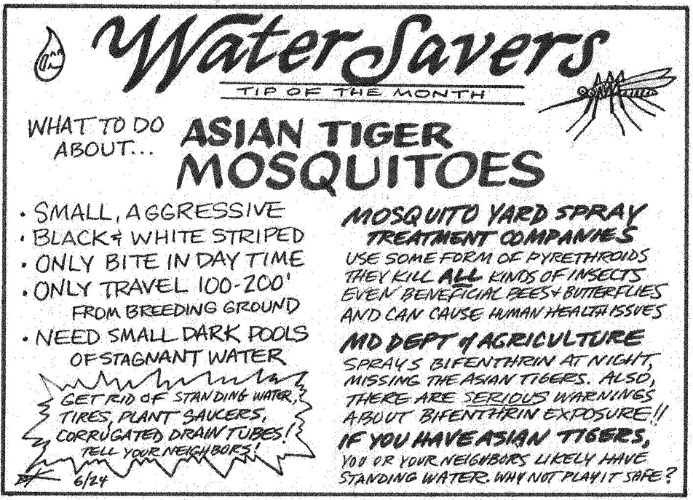

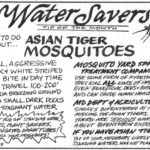
Here Come the Mosquitoes!
April 18, 2025
Join the Mosquito Bucket Challenge!
June 23, 2025Characteristics of Non-Native Invasive Species (not all non-natives are invasive)
- Impacts the ecology and/or economy to the area it was introduced
- Outcompetes and overwhelms the native flora
- Grows and reproduces fast
- Lacks native predators to slow their growth (nothing is eating these plants!)
Why Remove Invasive Species
They outcompete native plants that native wildlife depend on for survival. Native plants have developed specific relationships with wildlife over thousands of years of coevolution. Some species are so dependent that they need specific plants to feed on, or a certain plant to lay eggs on – for example, monarch butterflies and milkweed. But there are many more examples of wildlife with such specific needs.
Invasive plants spread and create monocultures, leading to loss of biodiversity. I can attest to the lack of diversity in the space we have cleared of burning bush at Little Magothy Beach. There was nothing but burning bush as far as the eye could see. Tucked amongst them were some native sassafras just waiting for their chance to thrive. We have added many native trees, shrubs, and perennials in hopes of creating a much more robust ecosystem!
Often the damage caused by invasive species causes irreversible damage to the environment, reduces recreational space and affects human health. There is also a significant economic factor—the time and expense of removing invasive species from an area.
How Invasive Species Come Into An Area
Invasive species are often sold at our local nurseries. Homeowners believe them to be safe to plant, or not harmful, because they are so commonly seen in landscapes and sold to us by landscapers and the nursery trade. We plant them in our yards and they spread through seed dispersal, wind, and root systems, and not just in our own property but out into common areas or to the wild. They can spread from humans by many unintentional means as well, through travel and trade or the soles of our shoes after walking through an infested area.
Common Cape Invasives
There are many invasive plant species in the yards and open spaces of the Cape. The small trees, shrubs, vines, herbaceous, and grass plants listed on our website are among the most common, and are the worst of the worst invasives as they are known to spread aggressively by seed or roots. They are also more easily removed by homeowners compared with invasives such as grown trees, bamboo, and phragmites reeds.
Please visit our website under the heading “Learning” to see pictures of the common invasive plants found around the Cape, and some great native alternatives. www.Capeconservationcorps.org/common-cape-invasives/
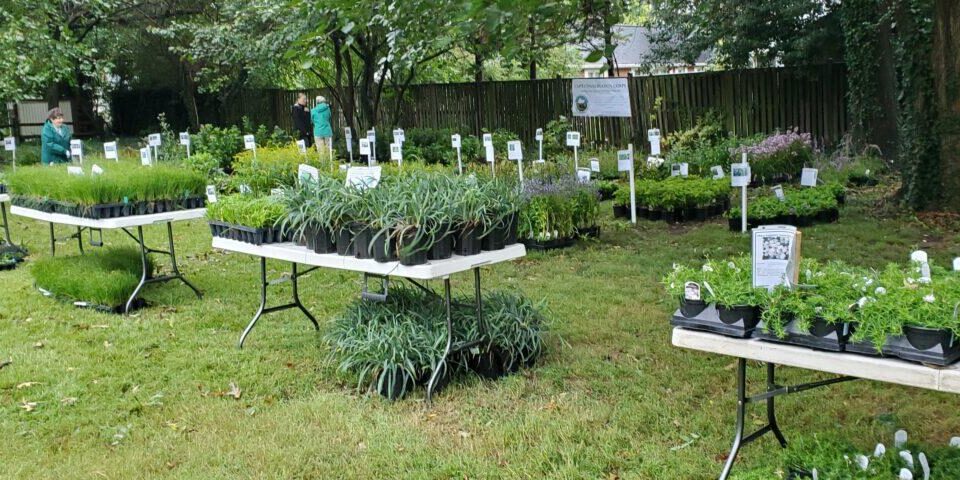
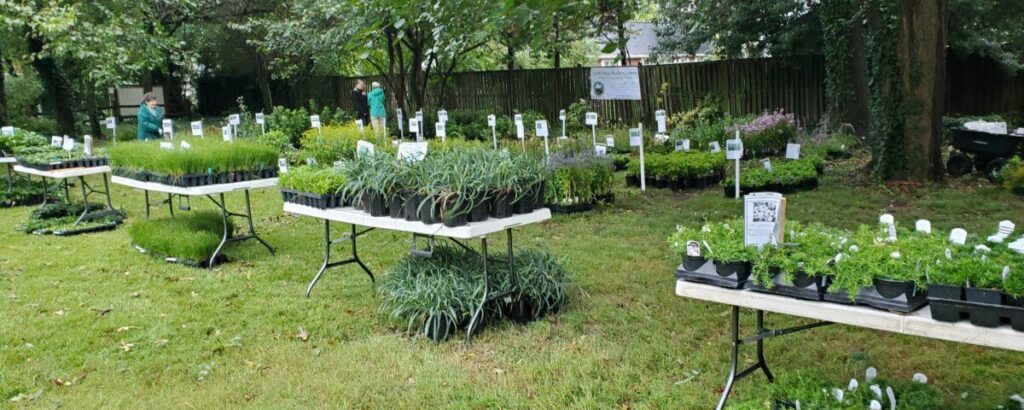
Reach out to CCC’s Garden Advisor, Larry Jennings, for a free consultation on removing invasive plants and replacing them with native alternatives, many of which are sold at our Fall Native Plant Fest and Sale! This year’s sale is September 20th, 9am to 1pm, in the Clubhouse Field. Larry can be reached at gardenadvisor@capeconservationcorps.org
How You Can Help Stop Invasive Plants
Don’t buy non-native invasive plants! Just because you don’t see it spreading it in your landscape doesn’t mean it hasn’t spread to other areas. The seeds and roots can travel great distances and create havoc somewhere out there. That non-native invasive, sacred bamboo, the nursery tells you is a sterile variety, it will eventually revert to producing seed. The invasive Bradford pear that we were told was sterile is now along every corridor on the East coast. Create demand for native plants by asking your local big-box stores to carry more natives. Shop at local native plant nurseries and pop-up sales (such as the Cape Conservation Corps plant sale).
Cape Conservation Corps Upcoming Events
- Every Wednesday, April through October, the Conservation Crew meets to remove invasive species and plant natives.
- August 20th, 5pm-9pm, Dinner at the Broadneck Grill. CCC receives 10% of total food receipts from the evening.
- September 20th, 9am-1pm, Native Plant Fest and Sale, located in the field behind the Cape Clubhouse
- Visit our Events Page for more details and sign up to help, or email me at president@capeconservationcorps.org