
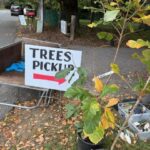
Free Tree Giveaway 2026
July 10, 2026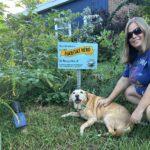
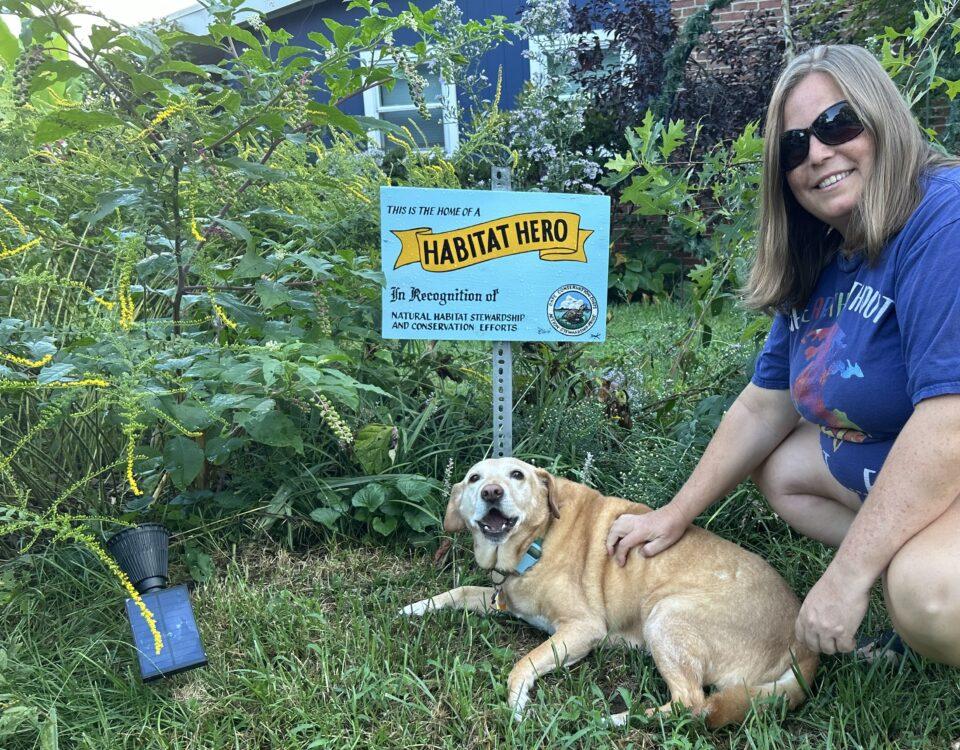
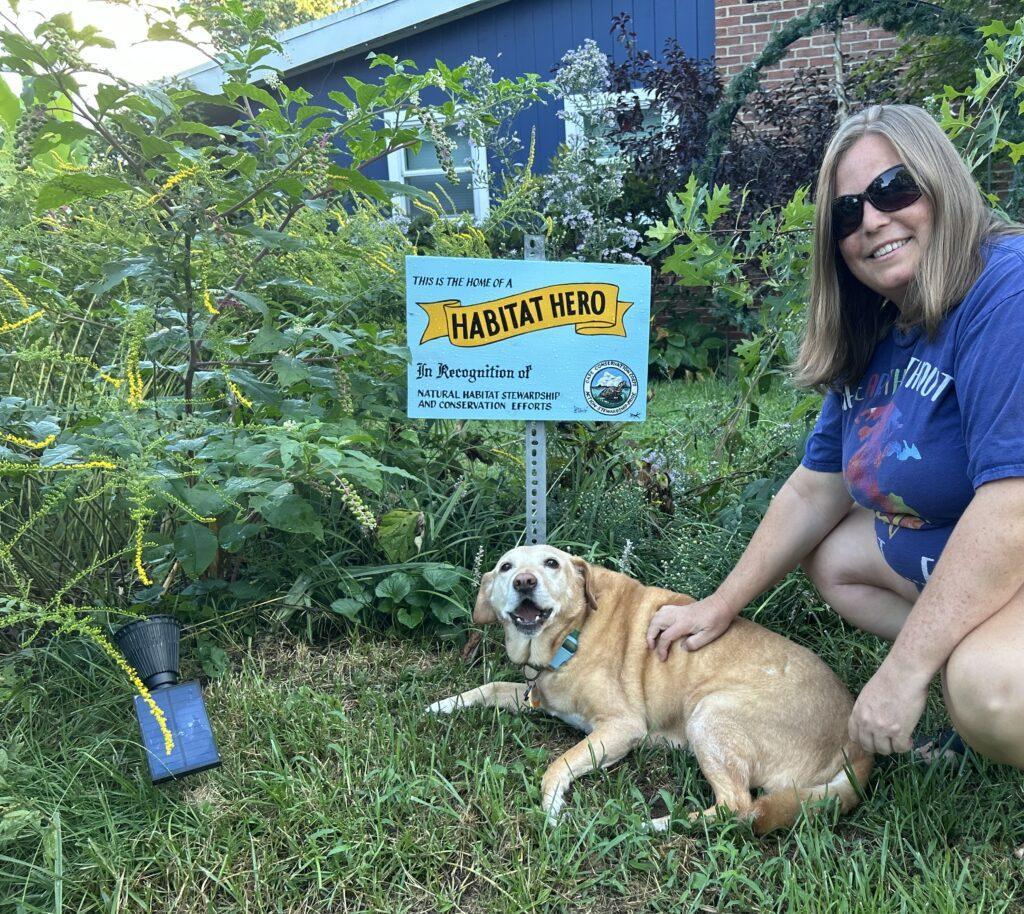
Habitat Hero 2026 Winner Joy Tester
September 15, 2026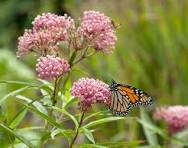
Building a Maryland Native Wildlife Garden: Layering shrubs, perennials, grasses, sedges, and groundcovers for birds, butterflies, bees, and beneficial insects.
A successful native garden is more than a collection of beautiful flowers. It is a living habitat built in layers: shrubs for berries and cover, perennials for nectar and pollen, grasses and sedges for caterpillars and winter shelter, and groundcovers that protect soil while supporting insects at ground level. We have put together some plant combinations for several common wildlife communities based on the plants CCC willhave at our Annual Native Plant Fest and Sale, September 26th, 9am to 1pm, in the field behind the Cape Clubhouse, 1223 River Bay Rd.
The Importance of Layered Planting
Natural ecosystems are arranged in layers. Meadows, woodland edges, and forest openings include shrubs, flowering perennials, grasses, sedges, ferns, and low groundcovers. Each layer provides habitat at a different height and season.
In a residential Maryland landscape, layering native plants allows the garden to provide food and shelter from early spring through winter. Spring flowers feed newly emerging bees. Summer blooms support butterflies, hummingbirds, and beneficial insects. Fall asters, goldenrods, and late shrubs help migrating pollinators. Winter seedheads, berries, stems, leaf litter, and grasses create protection and food for birds and overwintering insects.
The strongest wildlife gardens combine plants with different roles. Shrubs provide berries, cover, and nesting sites. Perennials supply nectar and pollen. Sedges and grasses support caterpillars, birds, and overwintering insects. Groundcovers protect soil and create connected habitat at the base of the planting.
For maximum ecological value in a Maryland garden, combine shrubs such as Black Chokeberry, New Jersey Tea, Witch Hazel, American Beautyberry, Virginia Sweetspire, and Shrubby St. John’s Wort with Milkweeds, Mountain Mint, Monarda, Liatris, Asters, Goldenrods, and Coneflowers. Then knit the planting together with Pennsylvania Sedge, Appalachian Sedge, Golden Ragwort, Pussytoes, Foamflower, Woodland Phlox, and native stonecrop.
The result is a beautiful, layered planting that does far more than decorate a yard. It becomes a small but meaningful ecosystem that supports pollinators, butterflies, birds, and beneficial insects from spring through winter.
Recommended Wildlife Garden Communities
The following combinations use plants from the list as complete communities rather than isolated specimens. Each grouping includes a shrub layer, flowering layer, and ground layer so the planting functions as habitat throughout the year. Pending availability, we will have all of these plants (and many more!) at our Fall Native Plant Fest and Sale. Along with many experts to help select the right plants for the right spot!
1. Dry Sunny Pollinator Prairie
Best for full sun, lean to average soil, slopes, and hot garden edges.
| Layer | Recommended plants |
| Shrubs | Ceanothus americanus; Rhus aromatica “Gro-Low” |
| Perennials | Asclepias tuberosa; Monarda punctata; Echinacea purpurea; Liatris aspera; Ratibida pinnata; Eryngium yuccifolium; Pycnanthemum muticum |
| Grass and ground layer | Schizachyrium scoparium “Standing Ovation”; Antennaria plantaginifolia |
Wildlife value: Monarchs, swallowtails, skippers, native bees, beneficial insects, and seed-eating birds.
2. Woodland Edge Pollinator Garden
Best for part shade, high shade, woodland edges, and areas beneath small trees.
| Layer | Recommended plants |
| Shrubs | Fothergilla gardenii; Hamamelis virginiana; Euonymus americanus |
| Perennials | Aquilegia canadensis; Spigelia marilandica; Heuchera americana; Aster divaricatus |
| Groundcovers and sedges | Packera aurea; Tiarella cordifolia; Phlox divaricata; Sedum ternatum “Larinem Park”; Carex appalachica; Carex rosea |
Wildlife value: Hummingbirds, spring native bees, woodland butterflies, beneficial insects, and songbirds.
3. Moist Meadow and Rain Garden
Best for moist soil, rain gardens, low spots, and streamside-inspired plantings.
| Layer | Recommended plants |
| Shrubs | Aronia melanocarpa; Itea virginica “Henry’s Garnet” |
| Perennials | Asclepias incarnata; Lobelia cardinalis; Lobelia siphilitica; Chelone glabra; Iris versicolor; Eupatorium dubium “Baby Joe”; Liatris spicata |
| Ground layer | Packera aurea; Carex amphibola; Carex woodii |
Wildlife value: Monarchs, Ruby-throated Hummingbirds, Baltimore Checkerspot butterflies, bumblebees, amphibian cover, and wetland insects.
4. Four-Season Bird and Pollinator Border
Best for a highly visible mixed border that needs flowers, berries, fall color, and winter structure.
| Layer | Recommended plants |
| Shrubs | Aronia melanocarpa; Callicarpa americana; Hypericum prolificum |
| Perennials | Penstemon digitalis; Monarda fistulosa; Echinacea purpurea; Pycnanthemum muticum; Symphyotrichum “Purple Dome”; Vernonia noveboracensis; Solidago caesia |
| Groundcovers and grasses | Chrysogonum virginianum “Pierre”; Packera obovata; Panicum virgatum “Shenandoah”; Muhlenbergia capillaris |
Wildlife value: Continuous bloom, berries for birds, winter seedheads, grass structure, and overwintering habitat for beneficial insects.