

Thoughts on Mosquito Control
May 23, 2026
CCC 2026 Scholarship Award Winner!
June 8, 2026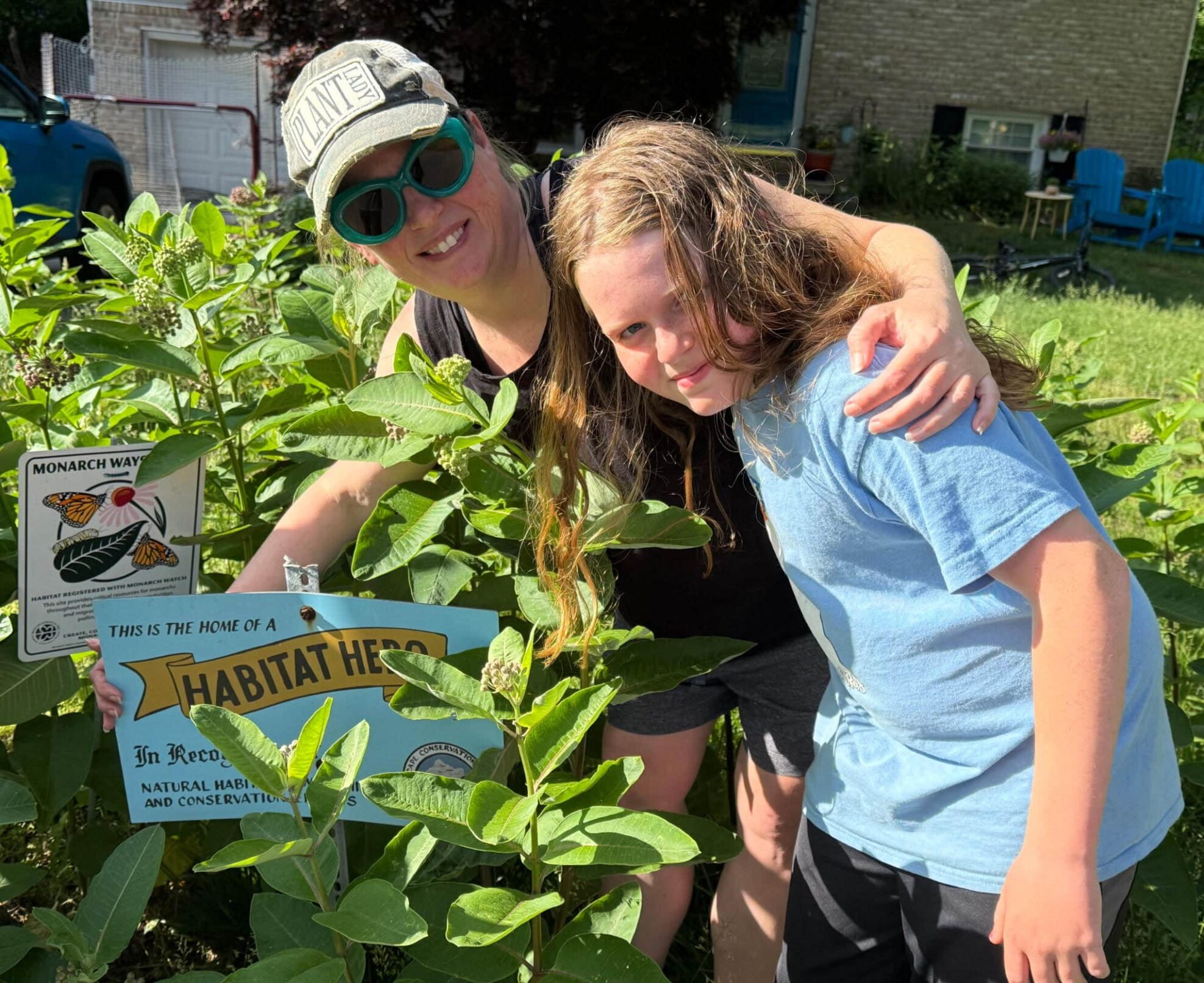
Habitat Hero Winner 2026
Kristi Coopersmith
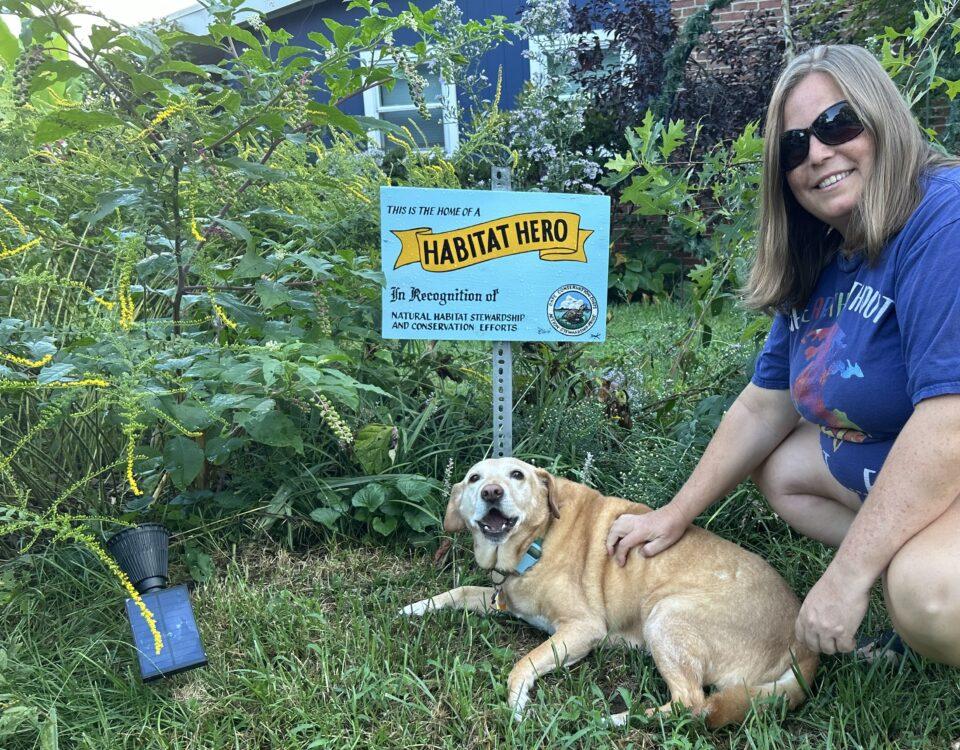
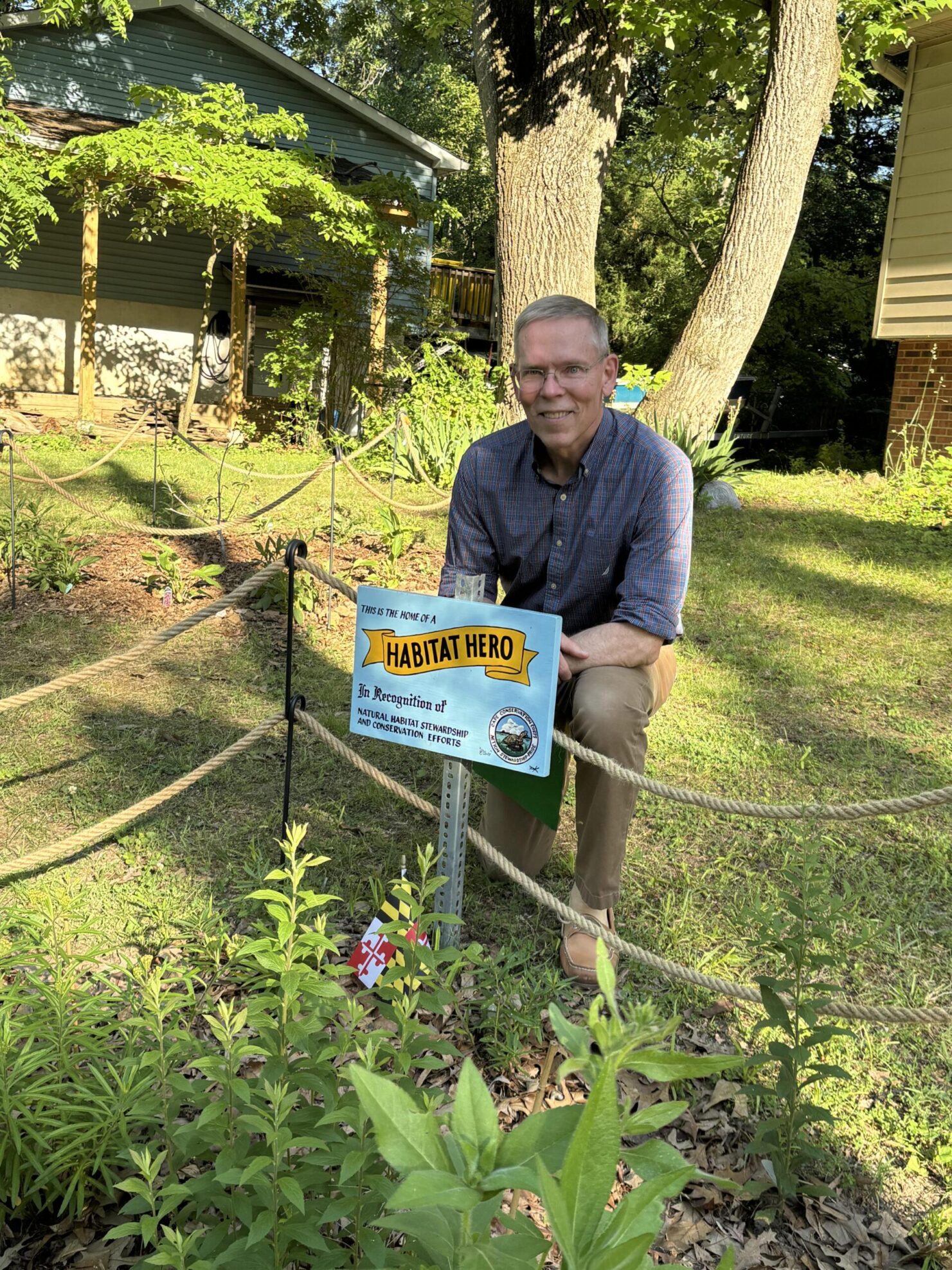
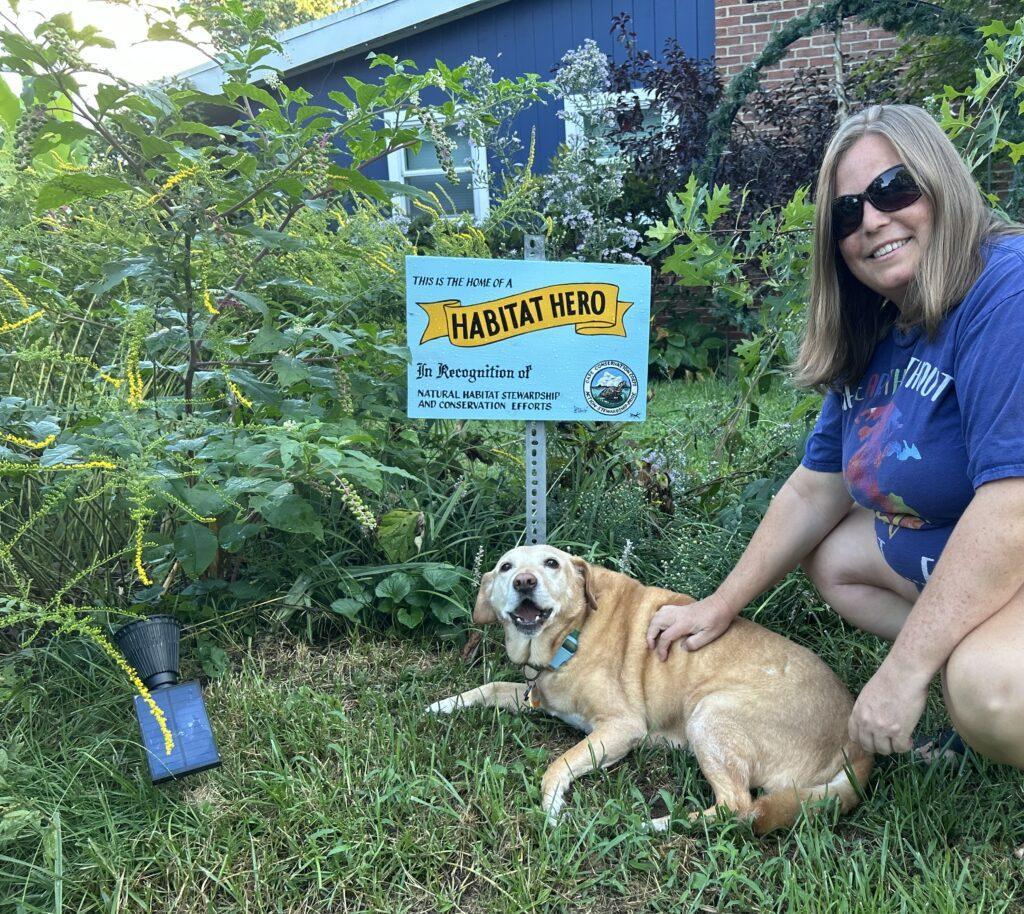
Kristi Coopersmith, a Cape resident on St Margarets Dr., has a passion for gardening and a commitment to supporting monarch butterflies that is truly inspiring. One of the CCC board members couldn’t help but notice the butterfly waystation in her front yard last year and quickly nominated her for Habitat Hero. Kristi shared her journey of creating a monarch waystation, reflecting her deep admiration for these beautiful creatures and her desire to contribute to their survival.
Her Motivation for Creating a Monarch Waystation
Kristi’s motivation stems from her love for monarch butterflies. She expressed, “I love monarch butterflies and find a lot of inspiration in their migration journey. I wanted to turn a bit of my corner of the Earth into a waystation to help them on their journey.” This heartfelt connection drives her efforts to create a supportive environment.
Additional Native Plants
A key aspect of her success is the careful selection of native plants. Beyond milkweed, which is essential for monarchs, she has included a variety of pollinator-friendly plants such as: Poplar Tulip Trees, Bee Balm, Black-eyed Susans, Purple Coneflower, Goldenrod, Mallow, Eastern Columbine, Asters, and Coral Honeysuckle
These plants provide vital food sources and create a rich ecosystem that attracts various pollinators.
Wildlife Habitats
Coopersmith’s approach to wildlife habitats is thoughtful. She mentioned, “We don’t rake leaves or clean up the garden until late spring. We also have a wooded area in the back corner that we leave alone. A box turtle returns every year to lay eggs there.” This method supports natural habitats, allowing wildlife to thrive.
Pesticide Practices
Her commitment to avoiding pesticides is strong: “I absolutely avoid pesticides in the yard, even in my veggie garden. I want to attract as many pollinators to my garden as I can.” This practice ensures a safe environment for pollinators.
Invasive Species Management
Krist has faced challenges with invasive species, particularly English ivy. She shared her ongoing battle to manage these plants, noting her progress in replacing them with native options, especially in the front yard.
Wildlife Resources for wildlife
She has implemented various resources to support local wildlife, including:
• Pollinator Water Stations and Bird Baths
• Nesting Sites such as birdhouses
• A wooded area that serves as a nesting ground for turtles and snakes
Coopersmith also mentioned, “In the front garden, the skinks love to nest in the retaining wall,” showcasing the diversity of life her garden supports.
Future Plans
Looking forward, Kristi is excited about expanding her waystation. She noted, “The waystation is self-expanding. I only planted one milkweed plant, and now it’s a good portion of the front yard. We see so many monarchs now.” Following a construction project that affected her lawn, she is now exploring native, pollinator-friendly alternatives to grass.
Coopersmith’s dedication to creating a habitat for monarch butterflies and other wildlife serves as a powerful example for others. Her efforts demonstrate how individual actions can significantly contribute to ecological sustainability.
If you’re inspired by her journey, consider what steps you might take to create your own habitat for these beautiful creatures. What native plants or resources would you include in your garden? You could become our next Habitat Hero!